
Top 5 Places to Visit in Costa Rica: The Honest Guide Nobody Tells You
Costa Rica is one of the most beautiful countries on the planet. It's also one of the most misunderstood by first-time visitors. Most guides online are written by travel bloggers who spent a week there, or by resorts trying to sell you an all-inclusive package. This isn't that guide. This is the real deal — what you actually need to know before you book your flight, where to go depending on what kind of trip you want, and the honest truth about getting around a country that's smaller than West Virginia but somehow takes five hours to drive anywhere.
Whether you're a couple looking for adventure, a family with kids who just want a safe beach with actual waves, or a solo traveler chasing something more authentic than a resort wristband — this guide was built for you.
Let's get into it.
Before You Go: The Stuff That Actually Matters
Which Airport Should You Fly Into?

This is the first decision that will shape your entire trip, and most people get it wrong. Costa Rica has two international airports, and choosing the right one can save you an entire day of driving on mountain roads.
Juan Santamaría International Airport (SJO) — San José
This is the country's main hub, located about 20 minutes from downtown San José in the city of Alajuela. Over 28 airlines fly here, including all the major North American carriers — American, Delta, United, Southwest, JetBlue, Alaska, and Air Canada. If you're flying from the East Coast of the U.S. or Canada, you'll likely have the most route options and the best fares through SJO.
Fly into SJO if you're headed to: Manuel Antonio, the Caribbean coast (Puerto Viejo), Arenal/La Fortuna (about 2.5–3 hours), Monteverde (about 3.5–4 hours), or the Osa Peninsula.
Daniel Oduber Quirós International Airport (LIR) — Liberia
This smaller, more modern airport in the Guanacaste province has grown significantly in recent years. It's efficient, easy to navigate, and drops you right into the Pacific coast beach corridor. Major carriers like American, United, Delta, Southwest, JetBlue, and Air Canada all fly here with direct routes from major North American cities.
Fly into LIR if you're headed to: Sámara, Nosara, Tamarindo, Playa Flamingo, Papagayo, or anywhere on the Nicoya Peninsula. It's also a solid choice for Arenal/La Fortuna (about 2.5 hours) and Monteverde.
The Pro Move: If your itinerary covers both coasts or multiple regions, consider flying into one airport and out the other. Fly into SJO, work your way through the Central Valley and down the Pacific coast, and fly home out of LIR — or vice versa. One-way rental car drop-offs between airports are common and most agencies accommodate it.
How to Get Around
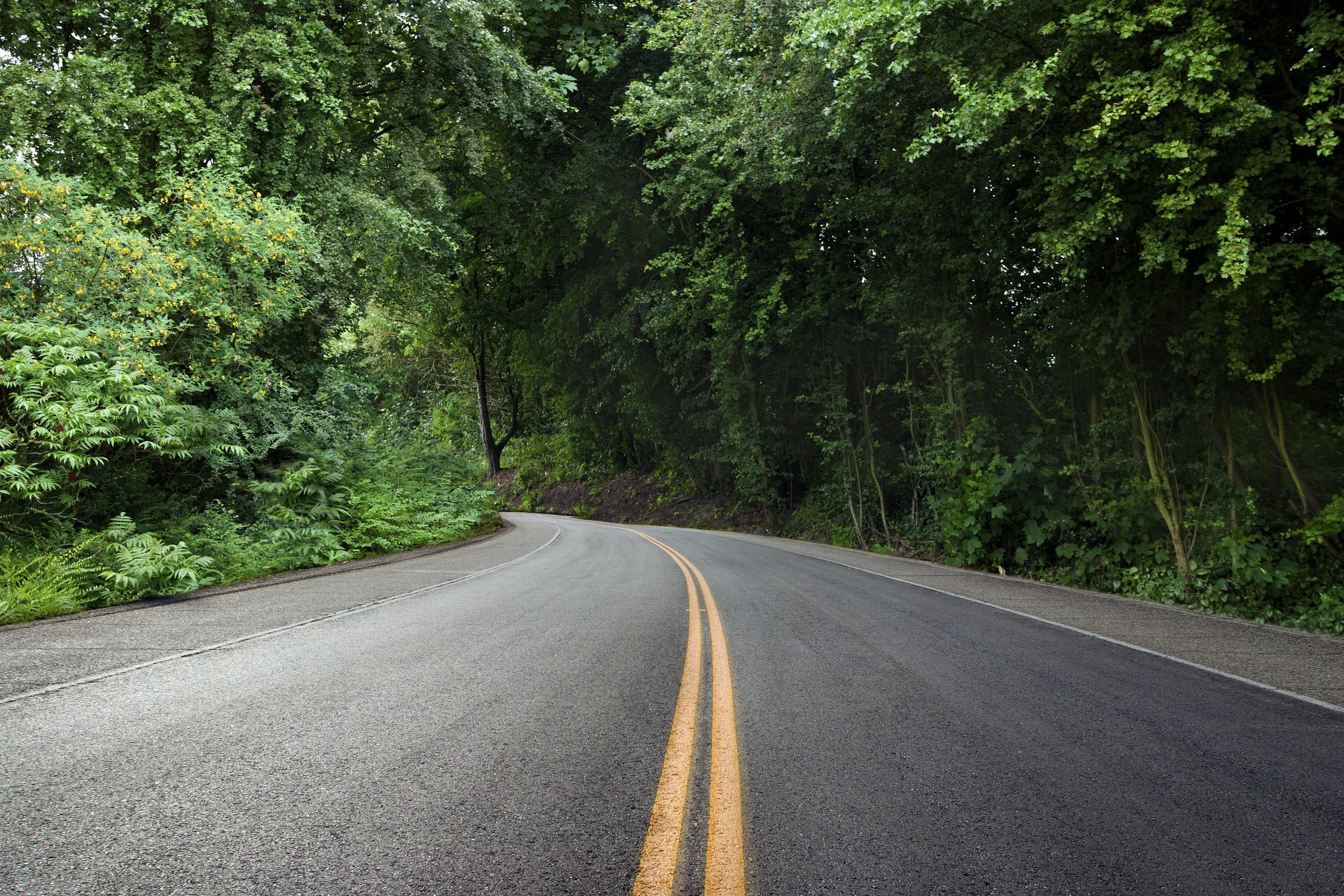
Let's be honest — Costa Rica's roads have improved a lot, but this isn't the Interstate. Here's the reality.
Rental Car: This is the most popular option and gives you the most freedom. A mid-size SUV runs roughly $50–$110 per day depending on the season, plus mandatory liability insurance (CDW/PLI) which adds $20–$25/day. During peak season (mid-December through April), book at least 3–4 months in advance — cars sell out. Use Waze, not Google Maps. Waze is significantly more accurate for Costa Rican roads. Avoid driving at night. Roads are poorly lit, wildlife crosses freely, and potholes appear without warning. A 4WD is recommended if you're heading to Monteverde, Santa Teresa, the Nicoya Peninsula backroads, or anywhere off the main highways.
Private Shuttles: If you don't want to deal with driving, private door-to-door shuttle transfers are extremely reliable in Costa Rica. A van picks you up at your hotel and drops you at the next one. Expect to pay around $150–$300 per transfer depending on distance and group size. For groups of 4 or more, private shuttles are often comparable in cost to shared options and far more convenient.
Shared Shuttles: Budget-friendly at roughly $50–$60 per person between major destinations. They run on fixed schedules (usually one morning, one afternoon departure), carry 10–15 passengers, and make multiple stops. They work, but add time. A 3.5-hour route can easily stretch to 5 hours.
Domestic Flights: Sansa Airlines operates small 8–14 passenger planes from San José to popular destinations like Nosara, Tamarindo, Quepos (Manuel Antonio), and Drake Bay. Flights are 30–45 minutes versus 4–5 hours of driving. They cost $80–$250 per person one way with strict luggage limits. Worth it for long-distance routes, but not necessary if you're staying within one region.
Important: Uber works in San José, the Central Valley, and some larger towns. Outside of that, you're looking at local taxis or your own wheels.
The Food (What to Eat and What to Expect)
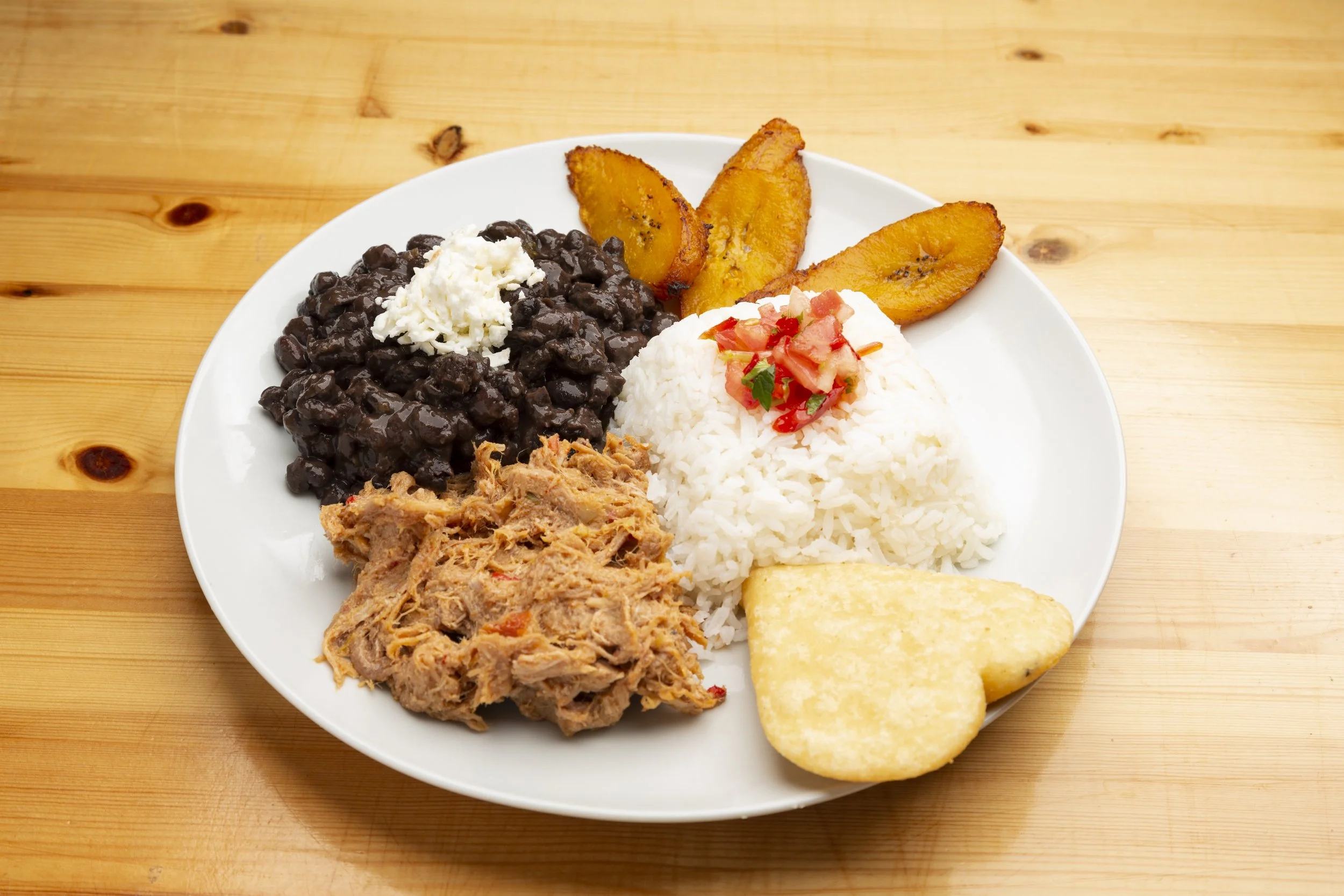
Costa Rican food won't blow your mind the way Mexican or Peruvian cuisine might — and anyone who tells you otherwise is selling you something. But here's the thing: the food is fresh, honest, and deeply satisfying once you know what to look for.
Casado — This is the national lunch plate. Rice, black beans, plantains, salad, and your choice of protein (chicken, fish, beef, or pork). Every soda (small local restaurant) serves it, and it's usually $5–$8. It's not fancy. It's comfort food, and it's everywhere.
Gallo Pinto — Rice and beans mixed together, seasoned with Lizano sauce (a Costa Rican staple you'll see on every table). This is breakfast. Every single morning. And it's better than it sounds.
Ceviche — Fresh fish cured in lime juice, served everywhere along the coast. The coastal towns do it best — especially the small, family-run places where the fish was caught that morning.
Patacones — Fried green plantain discs, often served as a side or topped with ceviche, beans, or guacamole. Crispy, salty, perfect.
Batidos / Frescos Naturales — Fresh fruit smoothies and juices. Costa Rica grows some of the best tropical fruit on earth — mango, papaya, cas (a tart local fruit), guanábana, maracuyá (passion fruit). Order these everywhere. They cost almost nothing and taste incredible.
Sodas — These aren't drinks. In Costa Rica, a "soda" is a small, family-run restaurant — usually open-air, usually cheap, always authentic. This is where you eat like a local. Skip the tourist restaurants for at least a few meals and find a soda. You'll eat better for a fraction of the price.
The honest take: High-end restaurants exist in tourist towns, and some are genuinely great. But Costa Rica's food culture lives in the sodas, the roadside fruit stands, and the beachfront ceviche spots where the menu is handwritten on a whiteboard. Embrace that.
Money, Tipping, and Practical Stuff

Currency: The Costa Rican colón (₡) is the local currency, but U.S. dollars are widely accepted in tourist areas. ATMs are plentiful in towns. Carry some cash for sodas, small shops, and tips — not everywhere takes cards.
Tipping: A 10% service charge is automatically added to restaurant bills. An extra tip isn't expected but is appreciated for great service. Tip tour guides $5–$10 per person, shuttle drivers a few dollars.
Water: Tap water is safe to drink in most of Costa Rica, including all tourist areas. This is one of the few countries in Central America where you can confidently drink from the tap.
Language: Spanish is the national language. English is widely spoken in tourist areas, but learning a few phrases goes a long way. "Pura Vida" isn't just a greeting — it's a way of life. Use it. Mean it.
Safety: Costa Rica is one of the safest countries in Central America, but it's not crime-free. Don't leave valuables in your rental car (break-ins at trailheads are common), use hotel safes, and exercise the same common sense you would anywhere. Petty theft is the main concern, not violent crime.
The Top 5 Places to Visit in Costa Rica
1. Arenal & La Fortuna — The Adventure Capital
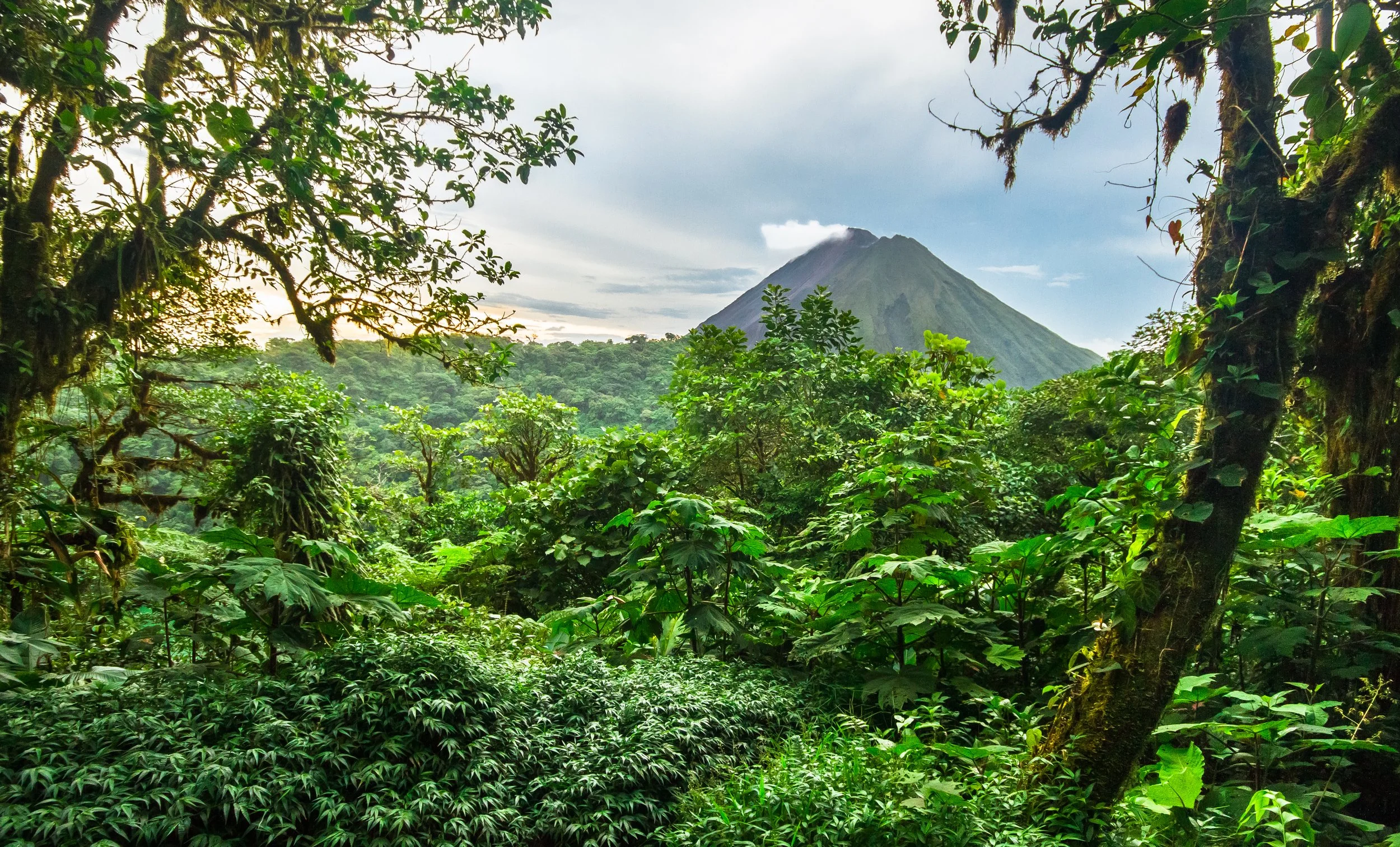
If you only have one week in Costa Rica and want a taste of everything — volcanoes, rainforest, wildlife, hot springs, and adventure activities — La Fortuna is your base camp. The town sits at the foot of Arenal Volcano, one of the most iconic and perfectly cone-shaped volcanoes in the world. While Arenal last erupted in 2010 and is currently in a resting phase, the geothermal activity beneath the surface feeds dozens of natural hot springs. Some are resort-style with swim-up bars and manicured gardens. Others are free, hidden along rivers in the jungle. Both are worth experiencing.
What to do: Hike the Arenal Volcano trails through old lava fields. Soak in Tabacón or Baldi hot springs for the resort experience, or find the free river hot springs near the Tabacón bridge for something more rugged. Go white-water rafting on the Pacuare River (one of the top 10 rafting rivers in the world). Take a hanging bridges walk through the rainforest canopy. Chase waterfalls at La Fortuna Waterfall — it's a 500-step descent, but the swimming hole at the bottom is worth every step back up.
How long to stay: 2–3 nights is the sweet spot. You can pack in the highlights without feeling rushed.
Getting there: About 2.5–3 hours from either SJO or LIR by car or shuttle.
The honest take: La Fortuna is touristy. There's no way around it. The main strip has souvenir shops and tour operator offices lining both sides. But once you leave the town center — on the water, on the trails, in the hot springs — the natural beauty is undeniable. It earns its reputation.
2. Monteverde & Santa Elena — The Cloud Forest
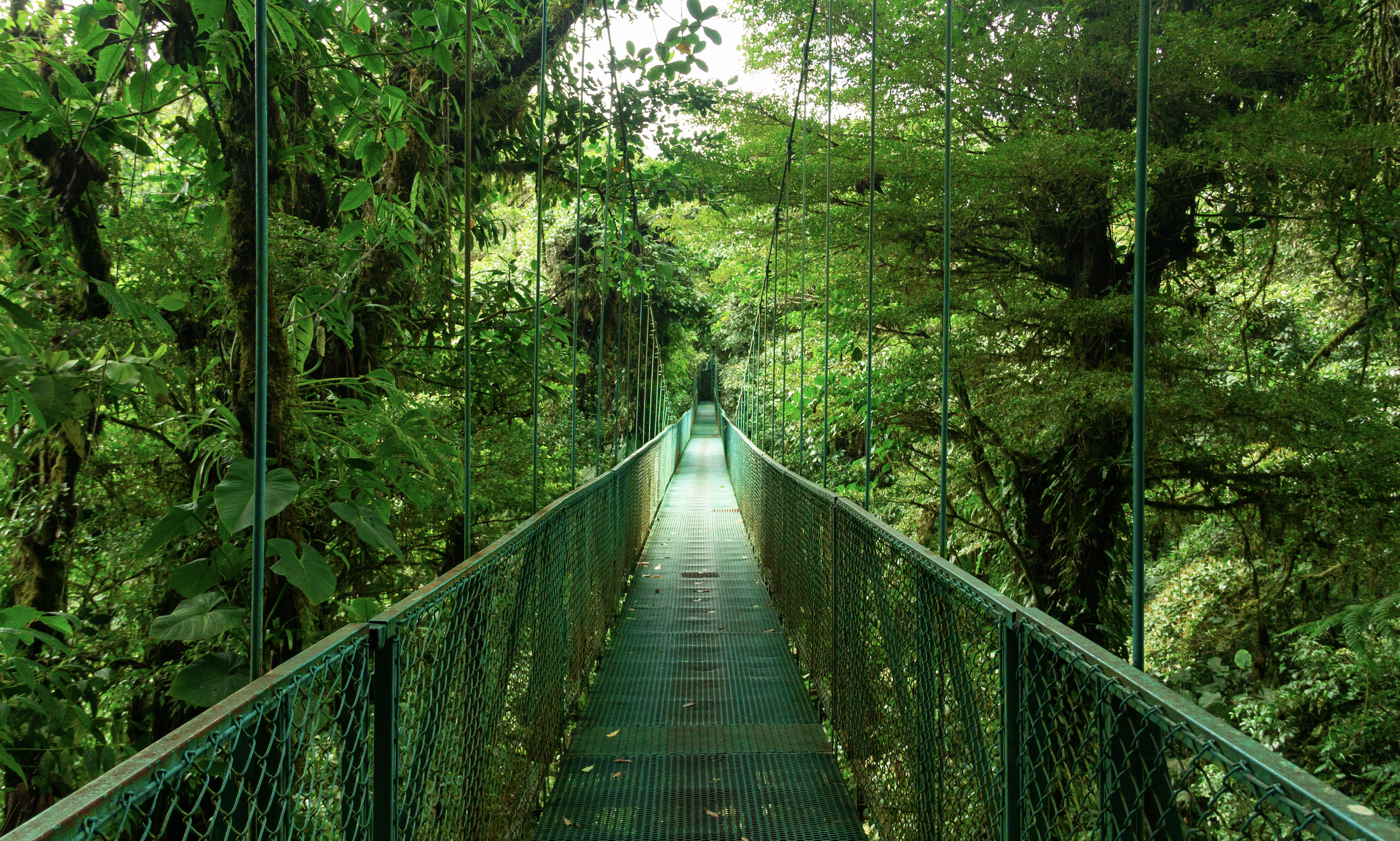
Monteverde is unlike anywhere else in Costa Rica. At roughly 4,600 feet of elevation, this is a misty, cool mountain ecosystem where the forest literally disappears into the clouds. If Arenal is the adventure capital, Monteverde is where you come to slow down and be humbled by nature. The Monteverde Cloud Forest Reserve and the Santa Elena Cloud Forest Reserve are the two main draws. Both are home to an almost absurd amount of biodiversity — over 400 species of birds (including the resplendent quetzal, one of the most sought-after birdwatching sightings in the Americas), 100+ species of mammals, and thousands of plant species including more orchids than you can count.
What to do: Walk the hanging bridges at Selvatura Park for eye-level views of the canopy. Hike the trails in either reserve with a naturalist guide (seriously, hire a guide — they spot things you'll walk right past). Take a night tour for a completely different jungle experience — look for red-eyed tree frogs, tarantulas, sloths, and kinkajous. Try the ziplines if you want adrenaline — Monteverde helped pioneer canopy ziplining in Costa Rica. Visit a coffee farm for a tour and tasting. The Central Valley's altitude produces some of the best coffee in the world.
How long to stay: 2 nights is enough to see the highlights. Three if you're a serious nature lover or birder.
Getting there: About 3.5–4 hours from SJO, or about 3 hours from LIR. The last stretch of road into Monteverde is famously rough — unpaved and deeply potholed. A 4WD is strongly recommended. Some people take a shuttle or arrange a jeep-boat-jeep transfer from La Fortuna, which crosses Lake Arenal by boat and is one of the most scenic transfers in the country.
The honest take: Monteverde is not a beach destination. It's cool, misty, and sometimes rainy — pack layers and a rain jacket. The town of Santa Elena is small and functional, not charming. You come here for the forest, not the nightlife. But walking through a cloud forest at dawn, with mist rolling between the trees and a quetzal perched 30 feet above you, is one of those travel experiences that stays with you for life.
3. Manuel Antonio — Beaches Meet Wildlife
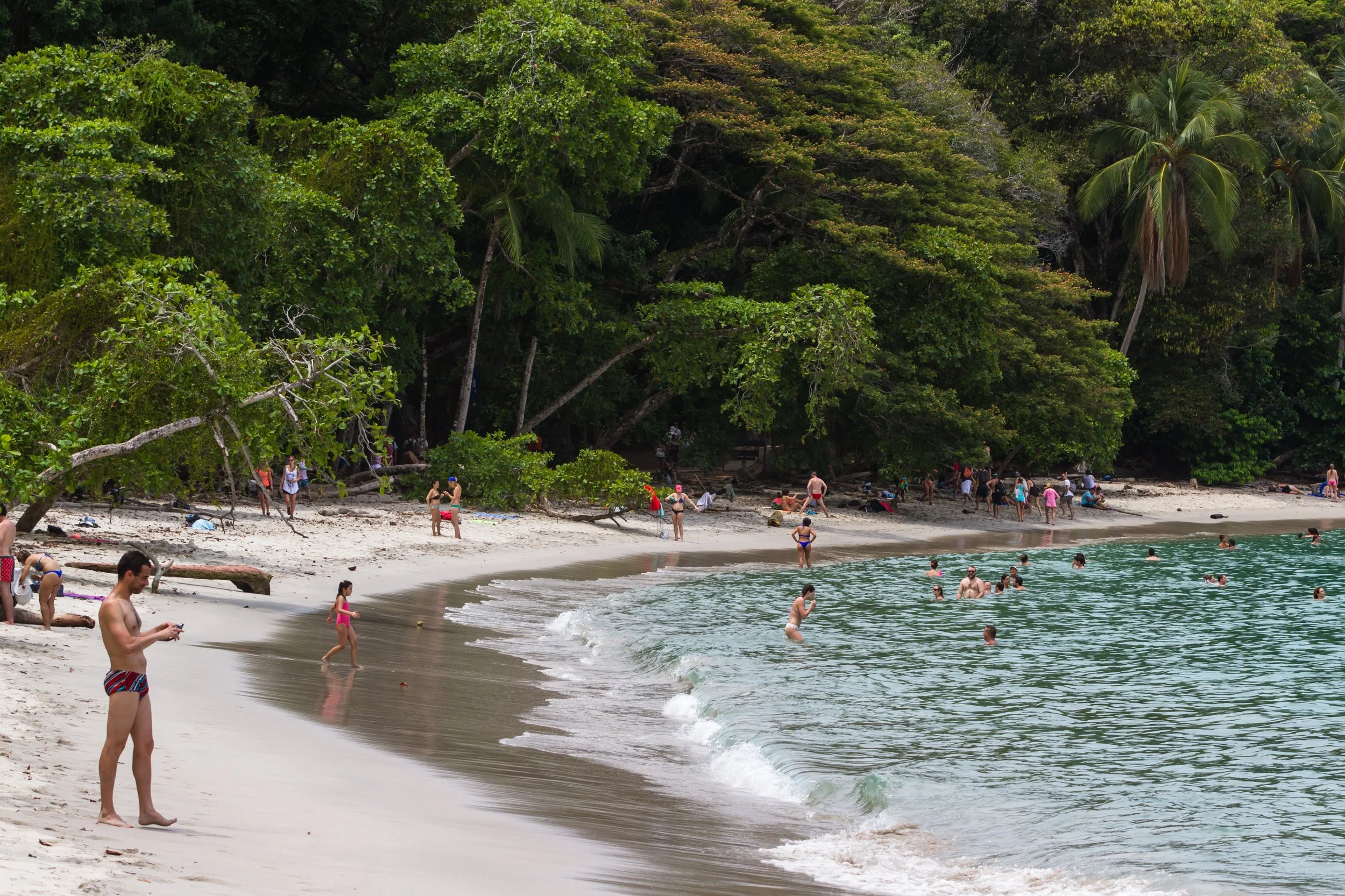
Manuel Antonio is the most visited national park in Costa Rica, and there's a good reason: it's the rare place where you can see monkeys, sloths, and toucans within steps of a white-sand beach. The national park itself is compact — you can walk the main trail system in a few hours — but it packs an incredible amount of wildlife into a small space. White-faced capuchin monkeys will absolutely approach you (guard your snacks). Two-toed and three-toed sloths hang in the trees above the trail. And the park's beaches — Playa Manuel Antonio and Playa Espadilla Sur — are sheltered, calm, and gorgeous.
What to do: Hire a guide at the park entrance for a wildlife-focused tour (they carry spotting scopes and know every sloth's favorite tree). Spend an afternoon on the park beaches after your hike. Take a catamaran sunset cruise with snorkeling. Go sport fishing if that's your thing — the offshore waters here are world-class for sailfish and marlin. Check out the restaurants and nightlife in the nearby town of Quepos.
How long to stay: 2–3 nights. One full day for the park, one for the beach and water activities.
Getting there: About 3–3.5 hours from SJO by car. Accessible only from SJO (not practical from LIR). Domestic flights from San José to Quepos take about 30 minutes.
The honest take: Manuel Antonio is popular because it delivers. But "popular" means crowded, especially during high season and on weekends. The park limits daily visitors, so arrive early (gates open at 7 AM) or buy tickets online in advance. The surrounding area is heavily developed with resorts and restaurants — this is not a hidden gem or a quiet escape. It's Costa Rica's most polished tourist experience, and it's very good at what it does. If you're traveling with kids or this is your first time in a tropical country, Manuel Antonio is a safe bet and a genuine highlight.
4. Sámara — The Best Beach Town Most Tourists Never Find
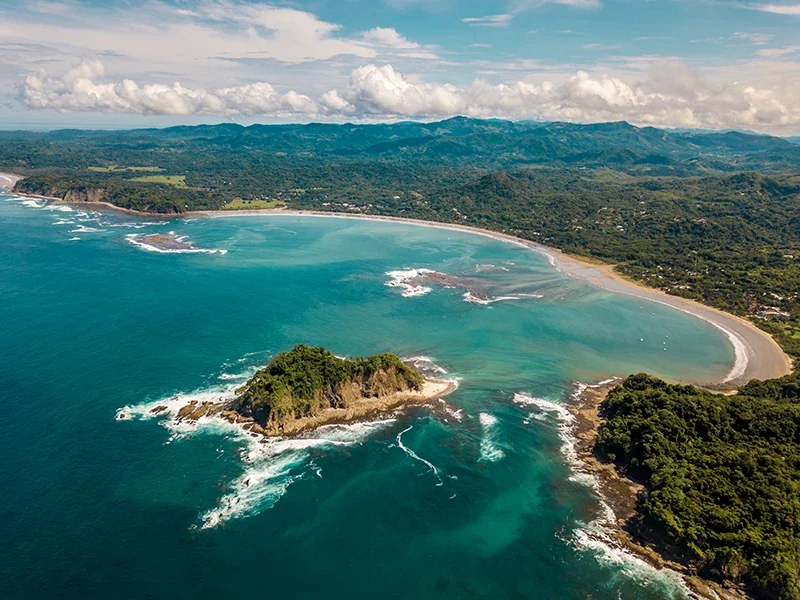
Here's where this guide gets personal, because Sámara is the Costa Rica that most visitors don't know exists — and the one that people who live here will tell you is the real thing. Let's talk about what Sámara is not. It's not Tamarindo, where every other storefront is a franchise or a bar blasting American top 40. It's not Jacó, where the party scene overshadows the beach. Sámara is what those towns used to be before they were "discovered" — a genuine Costa Rican beach community where Tico families spend their own vacations, where the pace is slow, the people are warm, and the beach is one of the safest and most beautiful in the country.
The Beach: Playa Sámara is a long, wide crescent of soft sand protected by an offshore reef. That reef is the key to everything. It breaks the big Pacific swells before they reach the shore, creating gentle, rolling waves that are safe for swimming at virtually any tide. The water gets deeper gradually — no sudden drop-offs, no dangerous rip currents. This is the beach where you let your kids play in the surf without white-knuckling it from your towel. It's the beach where you can float on your back and actually relax. Just south of Sámara, Playa Carrillo is a postcard-perfect horseshoe bay lined with palm trees. It's quieter, less developed, and arguably even more beautiful. Locals consider it one of the prettiest beaches in all of Costa Rica. It's a 10-minute drive from town.
Learning to Surf: Sámara is widely considered one of the best places to learn to surf in Costa Rica — and possibly all of Central America. The reef-protected waves are consistent, forgiving, and perfectly sized for beginners. Multiple family-run surf schools operate right on the beach, including Choco's Surf School (a Sámara institution), Pato's Surf School, and Tico's Surf School, among others. Lessons typically run around $60–$80 per person, instructors are patient and bilingual, and the vibe is encouraging rather than intimidating. Families with kids as young as five regularly take lessons here. If you've ever wanted to stand up on a surfboard for the first time, this is where you do it.
The Food: For a town this small, Sámara punches way above its weight when it comes to food. You'll find everything from authentic Costa Rican sodas serving $6 casados to genuinely excellent restaurants with international menus.
A few standouts: Lo Que Hay is a beloved local spot for fresh seafood. Gusto Beach serves Italian-inspired dishes with an ocean view. Ahora Sí is a family-run Italian restaurant with homemade pasta, tucked just steps from the beach. Bohemia Café is the brunch spot — great coffee, fresh juices, crepes, and a laid-back atmosphere. Roots Bakery is worth a stop for pastries and strong coffee. For a special dinner, Teca Beach has consistently good food in a beautiful setting. And if you want the most local experience possible, find Malibu (Soda Colocho's) — the ceviche is carved from fresh-caught fish on site, and the casados are the real deal. There's also a surprisingly good variety for dietary needs — vegan, vegetarian, and gluten-free options are easier to find here than in most Costa Rican towns.
The Vibe: This is the part that's hardest to describe but easiest to feel. Sámara still has the energy of a Costa Rican town that happens to have tourists, rather than a tourist town that happens to be in Costa Rica. You'll hear more Spanish than English on the street. The shops are locally owned. The restaurants are run by families — Tico families, Italian expat families, French couples who fell in love with the place and never left. Kids play soccer on the beach at sunset. Dogs roam freely (they're friendly). There's live music at a few bars on the weekends, but the town is quiet by 10 PM. You won't find a Subway or a Hard Rock Cafe. You won't hear "Sweet Caroline" blasting from a megabar at noon. And that's exactly the point. Sámara gives you what most people say they want from Costa Rica — the real thing, unhurried and unpretentious — and it actually delivers.
What else to do: Kayak or paddleboard out to Isla Chora, a small island just offshore in the bay, for snorkeling. Take an ATV tour through the jungle hills. Visit the Werner Sauter Biological Reserve for a wildlife hike. Rent bikes or a golf cart and cruise the backroads. Book a dolphin and whale watching tour (humpback whale season is roughly July–October and December–March). Or just do nothing — bring a book, find a palm tree, and watch the pelicans dive.
How long to stay: 3–5 nights minimum. Sámara rewards you for slowing down. This is not a place you "see" in a day.
Getting there: About 2.5 hours from Liberia (LIR) airport, or roughly 4.5–5 hours from San José (SJO). If you're spending most of your trip on the Nicoya Peninsula or Guanacaste coast, fly into LIR without question. Roads to Sámara are paved the entire way from Liberia and in good condition. You can also take a domestic Sansa flight from San José to the nearby Nosara airstrip, then drive 45 minutes to Sámara.
5. Puerto Viejo de Talamanca — The Caribbean Side
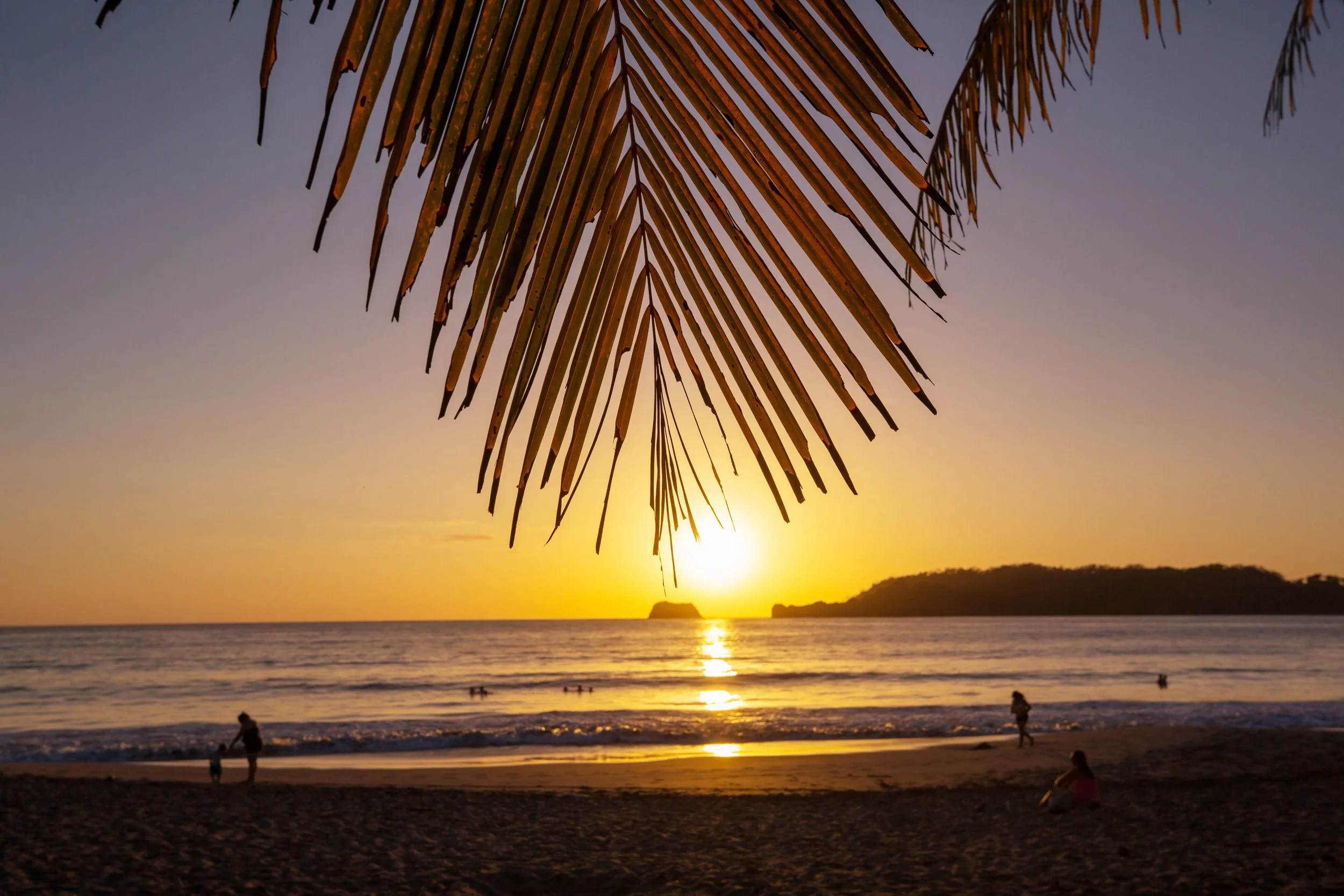
Most first-time visitors to Costa Rica never make it to the Caribbean coast. That's a mistake. Puerto Viejo de Talamanca, on the southern Caribbean coast near the Panamanian border, is a completely different world from the Pacific side. The culture, the food, the music, the vegetation, the vibe — everything shifts. This is where Costa Rica's Afro-Caribbean heritage is strongest, where reggae and calypso replace reggaeton, where rice and beans are cooked in coconut milk, and where the jungle pushes right up against turquoise water that looks like it belongs in the South Pacific.
What to do: Bike the coastal road from Puerto Viejo to Manzanillo — it's flat, scenic, and passes through several stunning beaches including Playa Cocles, Playa Chiquita, and Punta Uva (consistently rated one of the most beautiful beaches in Costa Rica). Visit Cahuita National Park for an easy jungle-and-beach hike where you'll likely spot monkeys, sloths, and possibly snakes along the trail. Snorkel the reef at Cahuita — it's the best accessible reef in the country. Take a chocolate tour at a local cacao farm (the Bribri indigenous community runs excellent ones). Eat Caribbean food — jerk chicken, rice and beans in coconut milk, rondón (a rich coconut-based seafood stew), and fresh whole fish served with patacones and Caribbean hot sauce.
How long to stay: 2–4 nights. The Caribbean side has a slower rhythm — honor it.
Getting there: About 4–4.5 hours from SJO. This is a Pacific-coast-vs-Caribbean-coast decision. If your trip is centered on the Pacific (Sámara, Manuel Antonio, Nosara), adding Puerto Viejo means significant driving time or a domestic flight back to San José as a connector. If you have 10+ days, consider building your itinerary as a loop: SJO → Caribbean coast → Central Valley → Pacific coast → LIR (or reverse). The Caribbean coast is only practical from SJO.
The honest take: Puerto Viejo is laid-back in the extreme. Infrastructure is more basic than the Pacific side. Some roads are rough. Power outages happen. Not every restaurant takes cards. The rainy season on the Caribbean side runs at different times than the Pacific (the driest months are September–October and February–March). But if you want a Costa Rica experience that feels genuinely different from everywhere else in the country — and closer to the Caribbean islands than to Central America — this is it.
Building Your Itinerary: A Few Sample Routes

The Classic 10-Day First Timer (Fly SJO → SJO) San José (1 night) → La Fortuna/Arenal (2 nights) → Monteverde (2 nights) → Manuel Antonio (3 nights) → San José (1 night, fly home)
The Pacific Beach + Volcano Trip (Fly LIR → LIR) Liberia (1 night) → La Fortuna/Arenal (2 nights) → Sámara (4 nights) → Liberia (fly home)
The Full Experience, 2 Weeks (Fly SJO → LIR) San José → Puerto Viejo (3 nights) → San José → La Fortuna (2 nights) → Monteverde (2 nights) → Sámara (4 nights) → Liberia (fly home)
Family Beach Trip, 7 Days (Fly LIR → LIR) Liberia → Sámara (5 nights, with day trip to Playa Carrillo and Nosara) → Liberia (fly home)
One More Thing
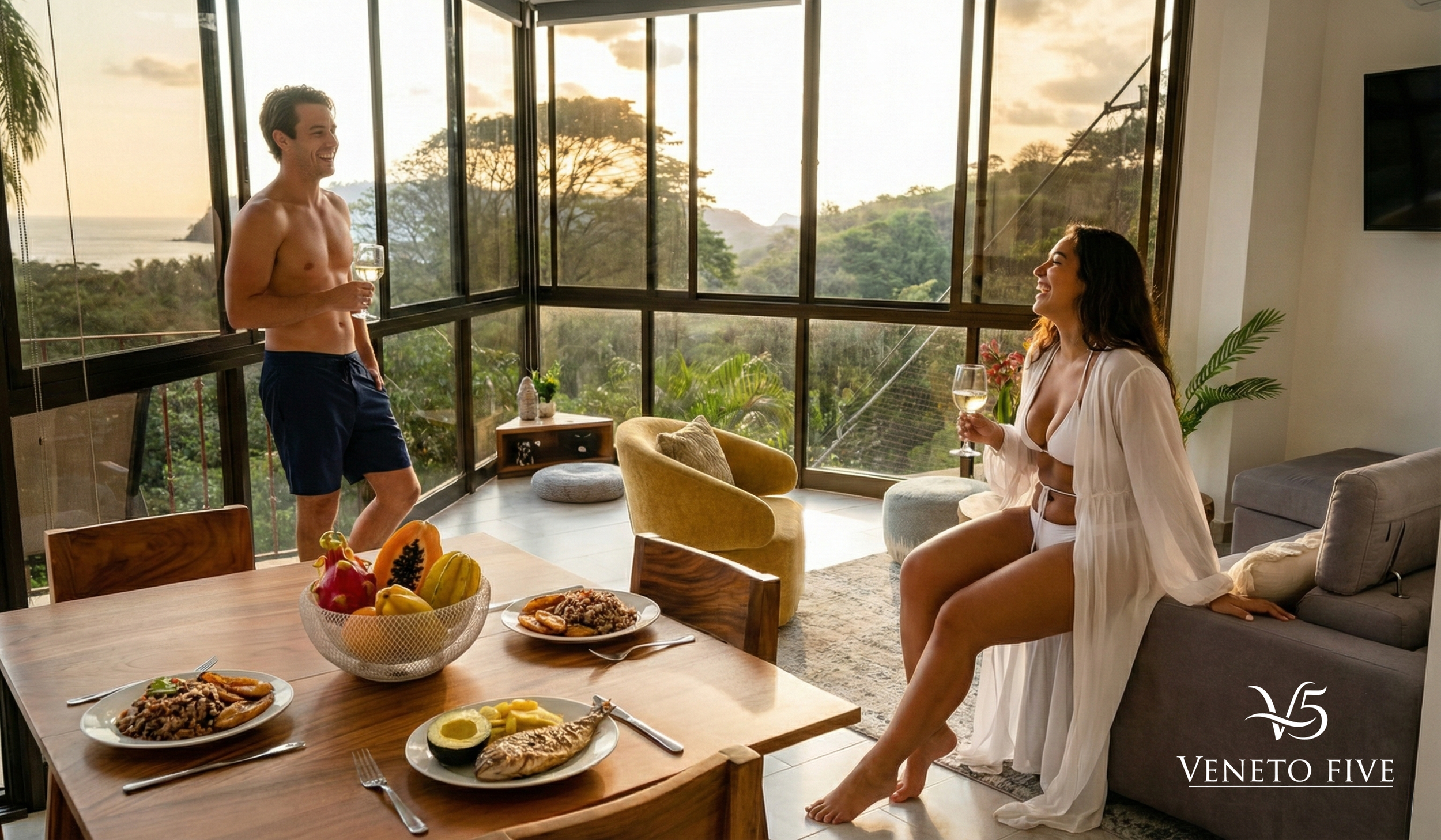
If you're exploring the Guanacaste coast and want a home base that goes beyond a standard hotel room, we quietly manage a boutique property Veneto Five in Samara — a luxury condo with breathtaking ocean views, designed for travelers who want the space, comfort with the finish of a five-star stay. It's our own family's passion project, and it sits right in the heart of one of Costa Rica's Blue Zone.
If that sounds like your kind of trip, you can find us at World Roots Properties